How to Design Custom Cards That Tolerate Normal Trim Variation
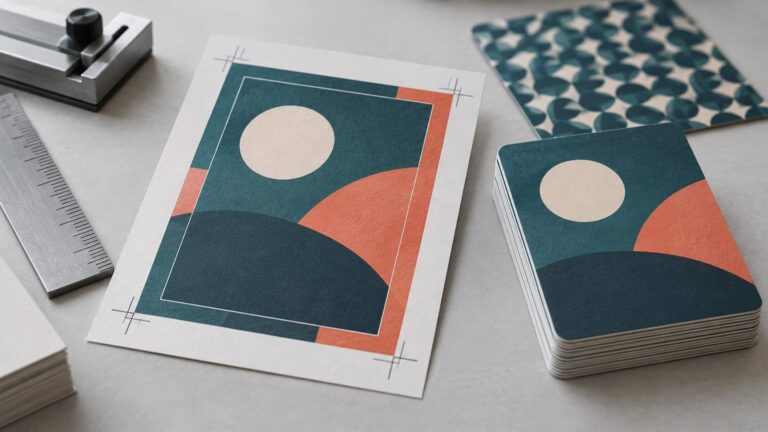
Build trim-tolerant custom cards by separating bleed, trim and safe-content zones, then choosing borders, backs and corner details that do not expose small cutting shifts.

Build trim-tolerant custom cards by separating bleed, trim and safe-content zones, then choosing borders, backs and corner details that do not expose small cutting shifts.
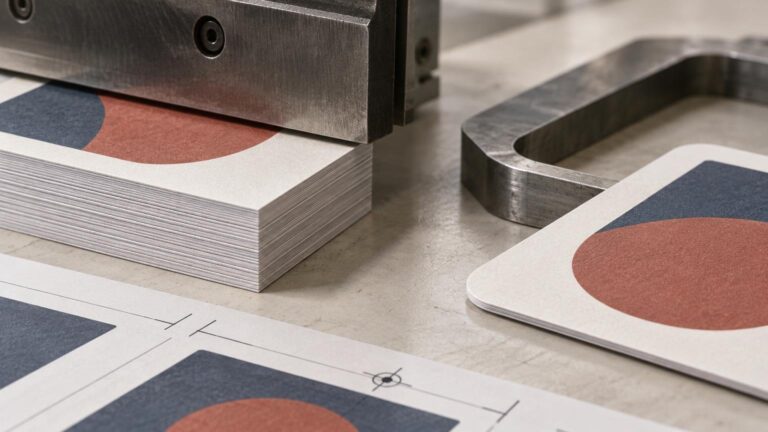
Guillotine cutting produces straight-sided card blanks, while a full-contour die or punch forms the finished perimeter and rounded corners. Learn how each method affects size, registration and deck consistency.

Crop marks identify the intended trim edge, while registration marks align color separations or help compatible cutting equipment locate a printed sheet. This guide explains how both relate to bleed, safe areas and card-cutting tolerances.
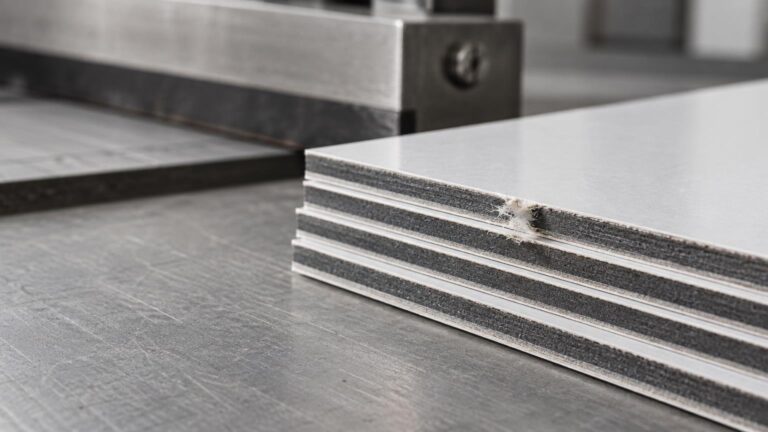
Rough or raised card edges usually indicate that the cutter compressed, displaced, or incompletely severed part of the card construction. Here is how to isolate the cause safely.